

SCROLL

Core Technologies for Smart Manufacturing

Improve productivity, reduce downtime and optimize inventory usage to drive plant OEE upwards.
Proactive Production Monitoring

SAM gives SMITH real time status updated of production assets to avoid down stream breakdowns.
Integrated Asset Maintenance

Maximise shop floor visibility to minimise unexpected delays due to human error or equipment failures.
Production Scheduler Dashboard

Increase customer satisfaction by having all order progress details at your fingertips.
WIP Tracking
How Smart Manufacturing Works
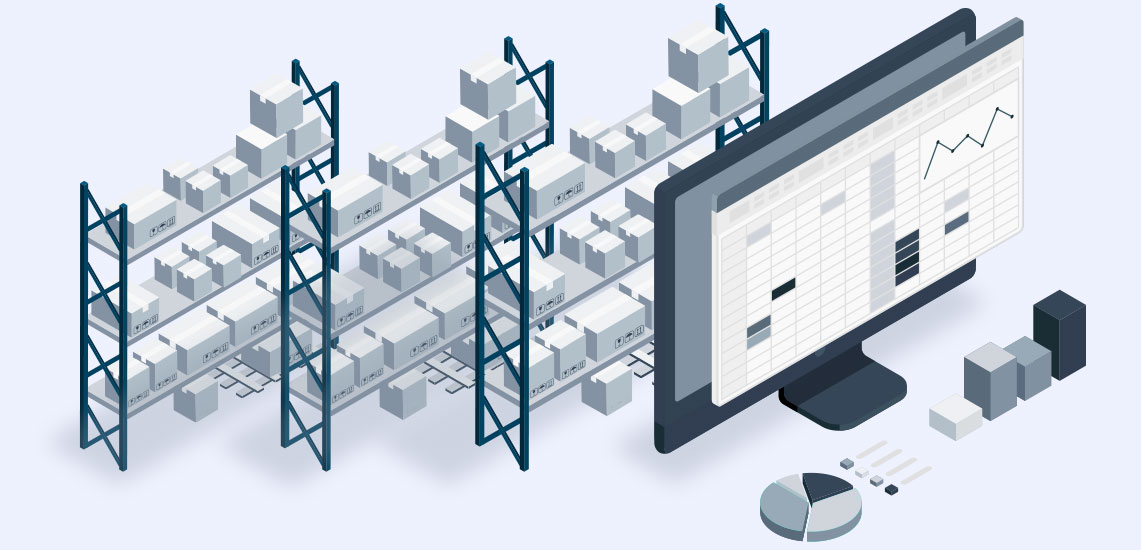

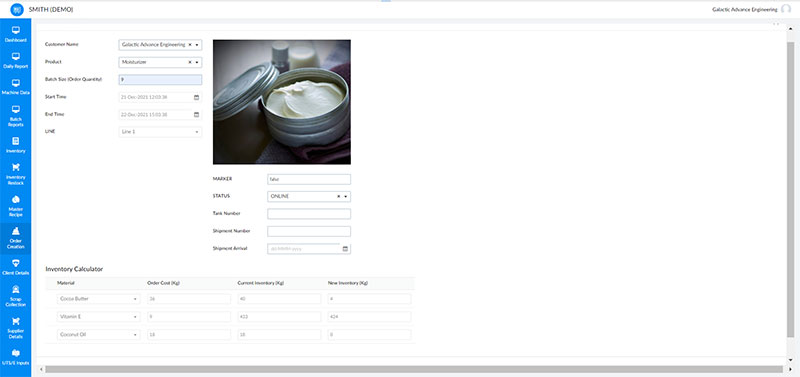
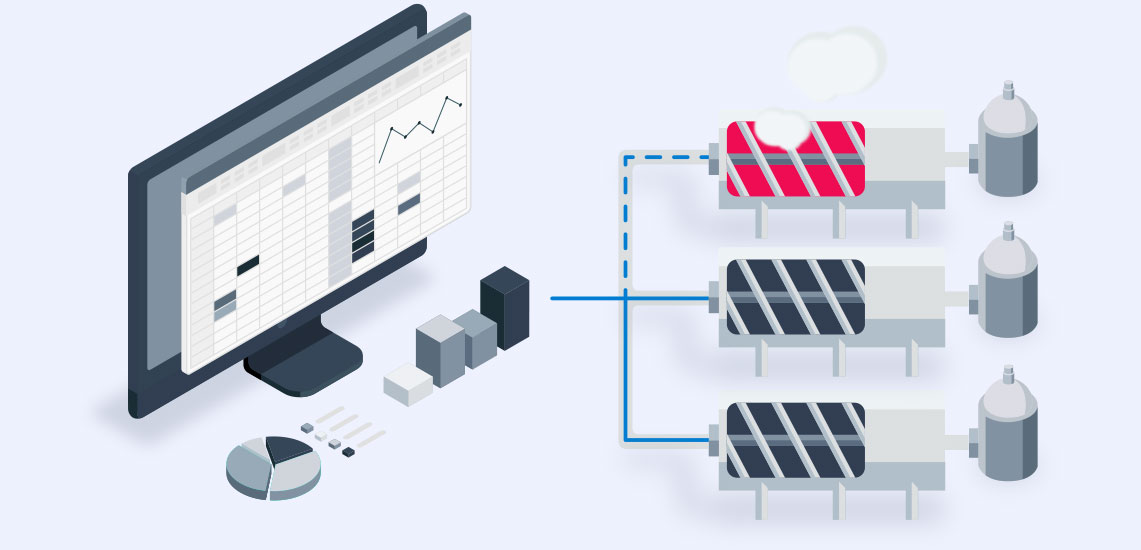
SMITH can pick up Order requests directly from your ERP system and reference the order with your current stock levels to determine if you have enough resources to complete it by the delivery date. Once the information is computed and submitted, it can be sent back to your ERP system for Sales and Logistics.
Full data transparency including raw materials and production data as well as loads for each production line and their earliest availability.
Order Input
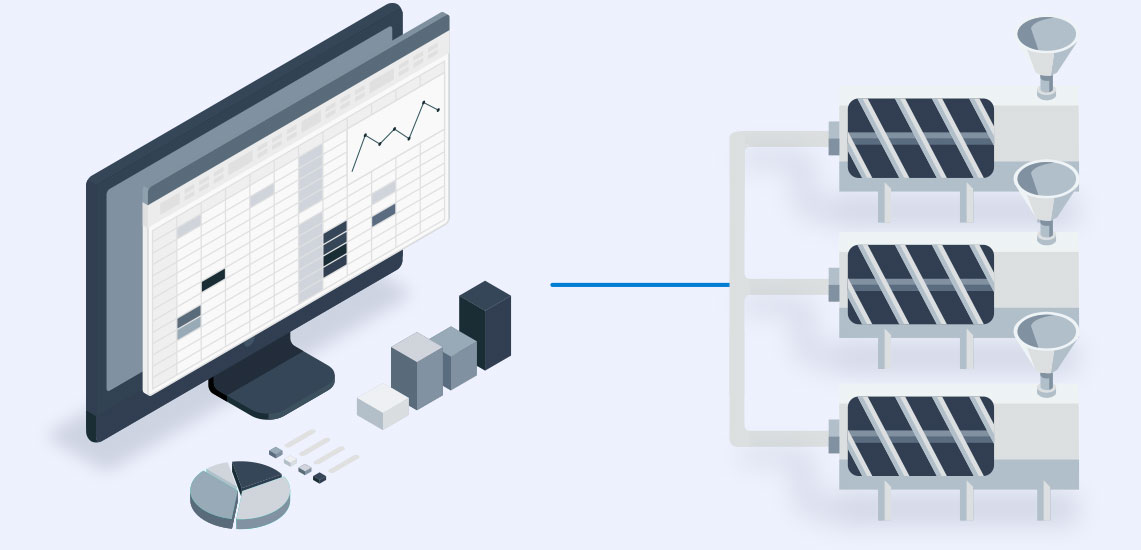
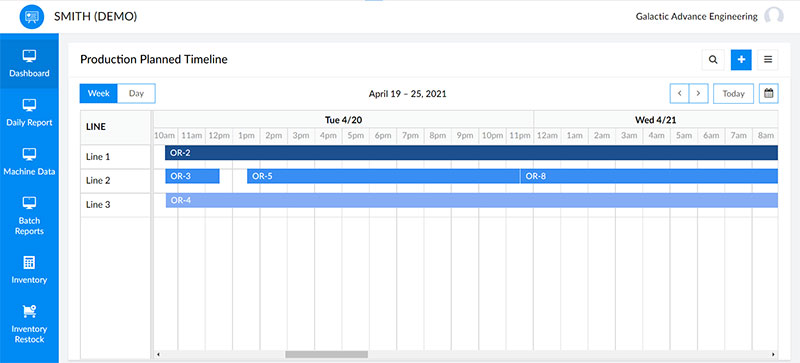
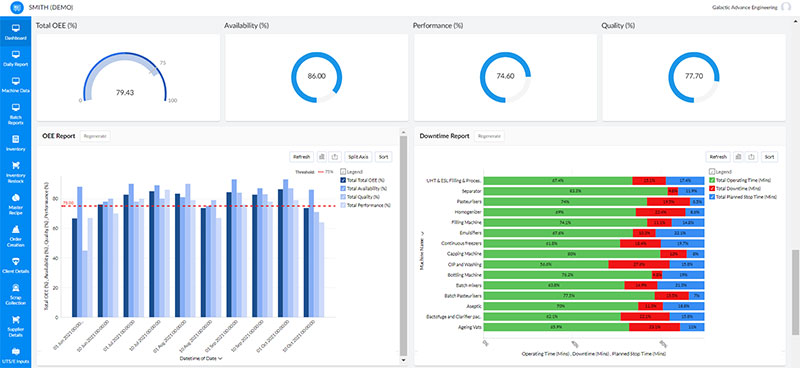
SMITH will automatically plots your shopfloor plan based on the current availability of your production lines and any concurrent breakdowns. By doing this, SMITH ensures that your product gains the earliest order fulfilment date.
Plots Plan
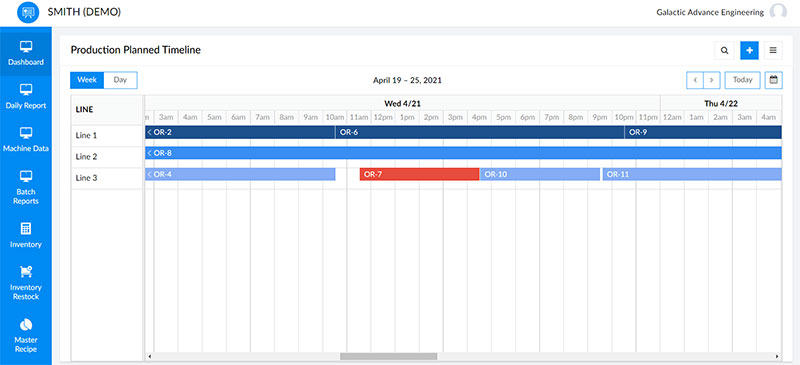
When a breakdown occurs SMITH will suggest alternate paths to reroute the production to other lines that are free or not entirely congested to ensure that your production is still able to meet the earliest fulfilment date. SMITH will also be able to provide data on breakdowns and track each order through its production process.
Optimum Path
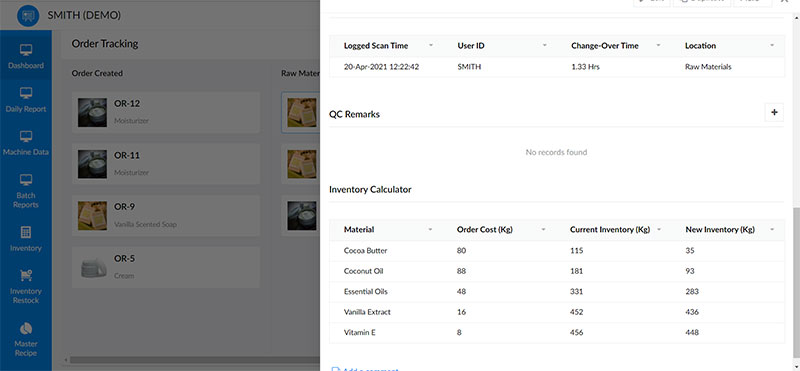
SMITH constantly monitors the status of your production lines. When production lines are freed downstream, SMITH automatically reorganizes the optimum path in order to avoid congestion within production lines.
Rerouting
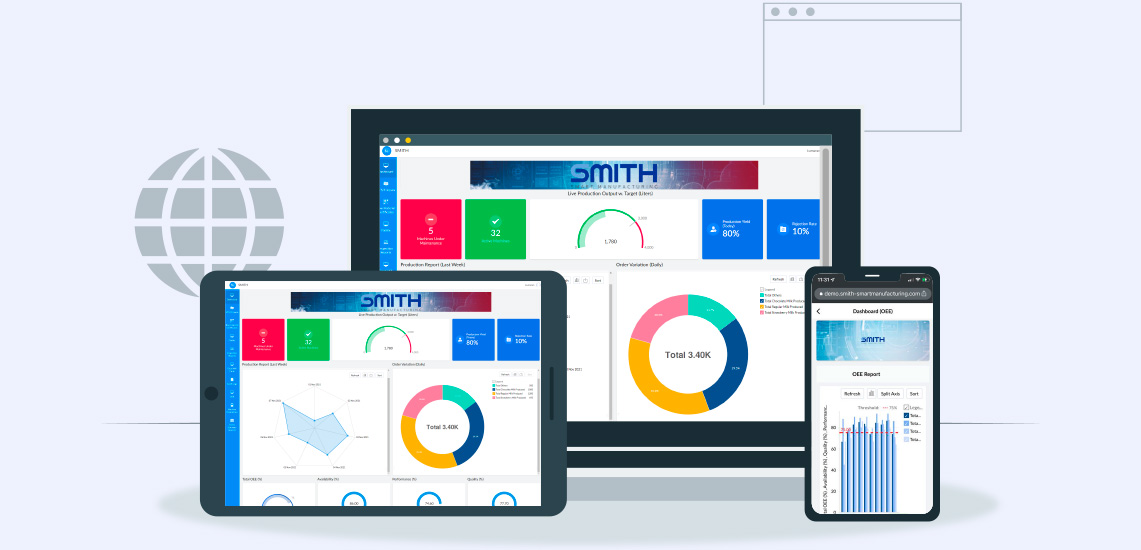
Dashboard
SMITH Smart Manufacturing Benefits
Improve OEE

Increase Accountability

Optimise Real Time Information

Reduce Production Waste
Our Clients




The Evolution of Smart Manufacturing
Smart manufacturing has evolved significantly over the years, driven by advancements in technology and the growing demand for efficiency and sustainability. Industry 4.0 has introduced a new era of manufacturing, characterised by the integration of digital technologies such as IoT, AI, and automation.
Read More
Close
From Traditional to Smart Manufacturing
Traditional manufacturing relied heavily on manual processes and isolated systems. Smart manufacturing, on the other hand, leverages connected devices and data-driven insights to create a seamless and efficient production environment.
The Role of Industry 4.0
Industry 4.0 is the foundation of smart manufacturing, enabling businesses to adopt technologies like IoT and AI. These innovations allow manufacturers to optimise their processes, reduce waste, and improve product quality.
Key Technologies in Smart Manufacturing
The success of smart manufacturing depends on the effective use of advanced technologies. Here are some of the key technologies driving this transformation:
IoT in Smart Manufacturing
IoT connects devices and systems across the production floor, enabling real-time data collection and analysis. This connectivity allows manufacturers to monitor operations, predict equipment failures, and improve overall efficiency.
AI and Machine Learning
Artificial intelligence and machine learning are revolutionising manufacturing by enabling predictive analytics, quality control, and process optimisation. These technologies help manufacturers make data-driven decisions and improve operational efficiency.
Automation and Robotics
Automation and robotics are essential components of smart manufacturing. They reduce human error, increase production speed, and enhance product consistency. By automating repetitive tasks, manufacturers can focus on innovation and growth.
Benefits of Smart Manufacturing
Adopting smart manufacturing offers numerous benefits for businesses, including improved efficiency, reduced costs, and enhanced product quality.
Increased Efficiency
Smart manufacturing technologies streamline production processes, reducing downtime and increasing overall efficiency. Real-time data analytics enable manufacturers to identify and address inefficiencies quickly.
Cost Reduction
By optimising resource usage and minimising waste, smart manufacturing helps businesses reduce costs. Predictive maintenance also lowers expenses by preventing costly equipment failures.
Enhanced Product Quality
Smart manufacturing technologies like AI and IoT enable manufacturers to maintain high product quality by detecting defects early and ensuring consistent production standards.
How to Evaluate Smart Manufacturing Solution Providers
Choosing the right smart manufacturing solution provider is critical to the success of your implementation. Here are some factors to consider when evaluating vendors:
- Customer Reviews and Case Studies: Look for success stories and testimonials from other businesses in your industry.
- Technical Support and Responsiveness: Ensure the provider offers reliable support during and after implementation.
- Scalability and Flexibility: Choose a system that can adapt to your changing needs and future growth.
- Pricing and ROI: Consider the cost of the solution in relation to the long-term benefits it will provide.
Transform Your Business with Smart Manufacturing Solutions
Empower your business with cutting-edge smart manufacturing solutions from Quantum Compute. Our advanced systems are designed to help you:
- Optimise production processes with IoT and automation.
- Improve efficiency and reduce operational costs.
- Enhance product quality with AI-powered analytics.
Our solutions are tailored to meet the unique needs of your industry, ensuring that you achieve measurable results and a strong return on investment.
Contact us today to schedule a free demo and discover how our smart manufacturing systems can revolutionise your operations.
FAQs of Smart Manufacturing
How does IoT help in smart manufacturing?
IoT connects machines, sensors, and systems to share real-time data, helping manufacturers monitor performance, predict maintenance needs, and improve decision-making. For example, factories can use IoT to detect machine faults before downtime occurs.
What is Industry 4.0 in smart manufacturing?
Industry 4.0 in smart manufacturing integrates automation, IoT, and data analytics.
How does smart manufacturing improve productivity?
Smart manufacturing uses IoT, AI, and automation to streamline processes, reduce waste, and increase efficiency. It enables real-time monitoring and data-driven decision-making.
How can IoT be implemented in smart manufacturing systems?
IoT can be implemented by connecting machines, sensors, and devices to collect data in real-time, enabling predictive maintenance, monitoring, and optimisation of production processes.
What are the top smart manufacturing software solutions?
Leading smart manufacturing software solutions include platforms for production scheduling, asset maintenance, and real-time data analytics. These tools help businesses optimise operations and improve efficiency.
Why should companies invest in smart manufacturing consulting?
Consulting services provide expert guidance on adopting smart manufacturing technologies. Consultants help assess current systems, design digital transformation strategies, and ensure a smooth transition to Industry 4.0, maximising ROI and operational efficiency.
What is the pricing of smart manufacturing software?
SMITH pricing is structured based on operational needs, factory scale, and selected modules. Project pricing typically ranges from RM 360,000 onwards, depending on the number of modules, level of automation, and system complexity.
The solution supports manufacturers at different stages of digitalisation, covering areas such as production planning, inventory management, quality control, maintenance, compliance, and supply chain integration. Organisations can begin with essential modules and progressively expand the system as operational requirements evolve.