
SCROLL

Core Technologies of Asset Management Software
Sets time and usage-based tasks to reduce disruptions to production cycles.
Predictive Maintenance
On demand reports that enables quick and accurate decision making process for Management.
Insightful Reporting
Keeps a robust asset maintenance log that enables easy tracking and tracing.
Robust Asset Registry
How Digital Asset Management System Works
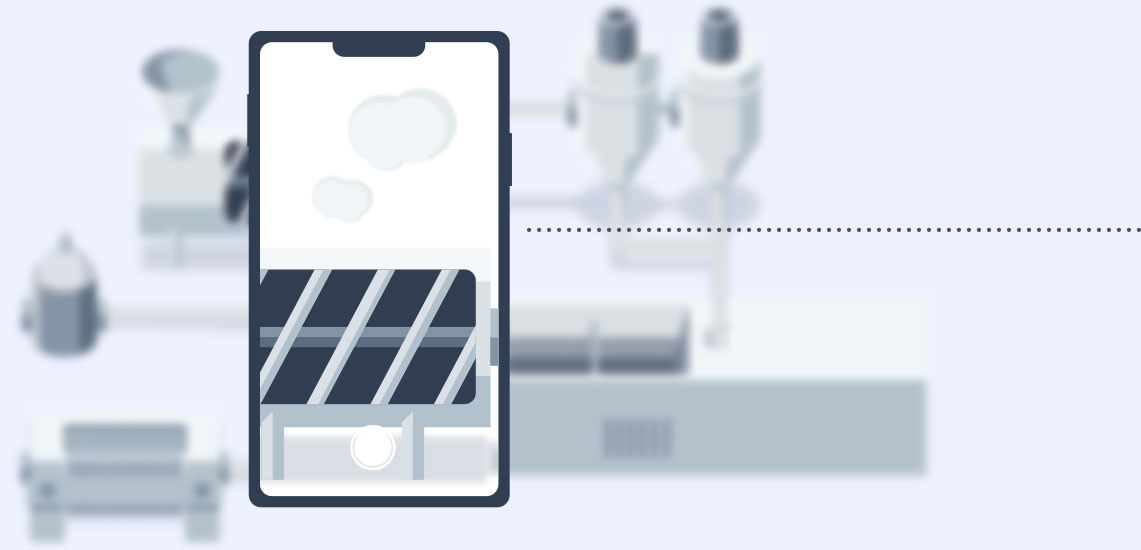

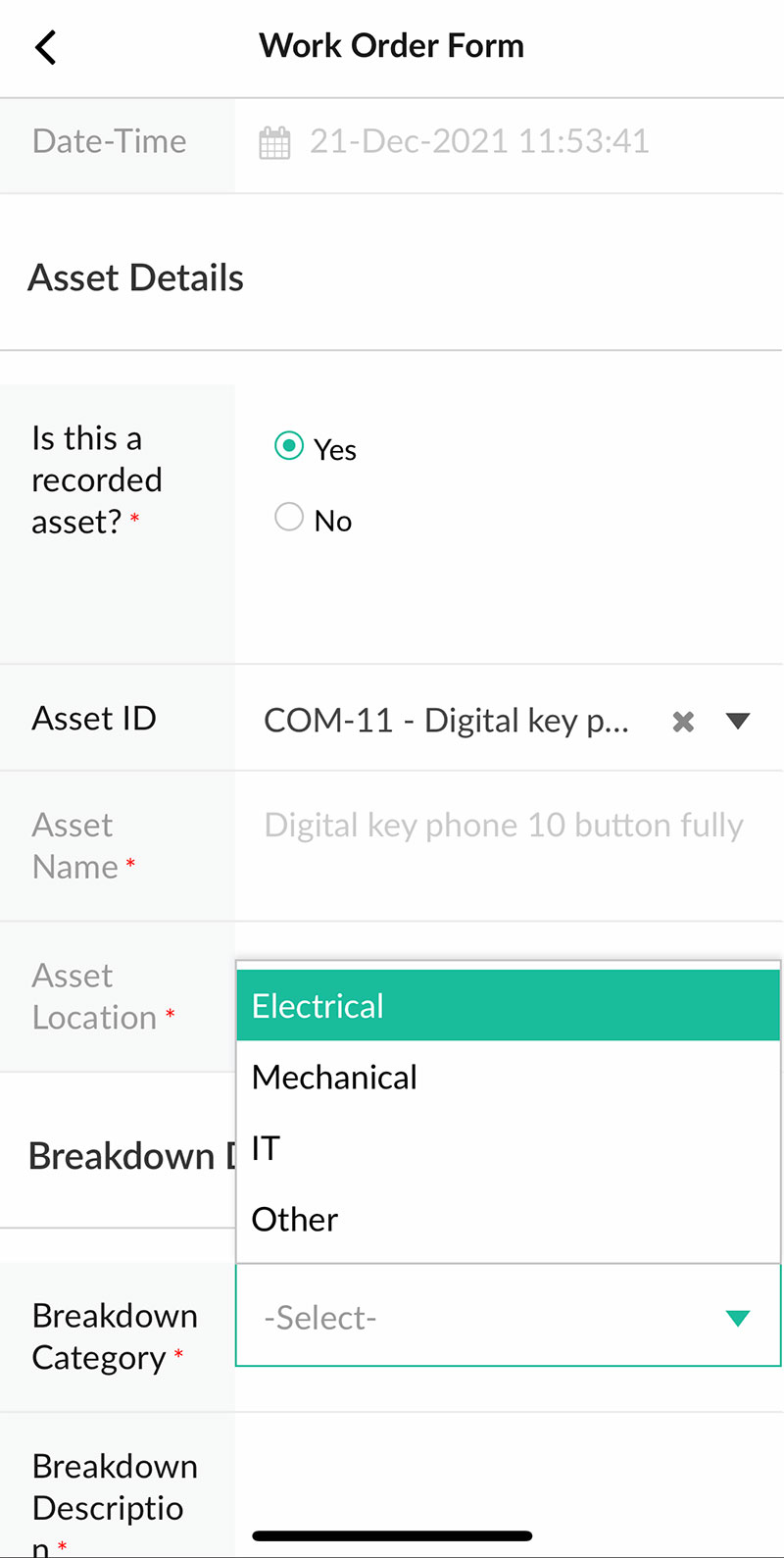
A work order can be created through the SAM interface or by scanning a QR code on your asset. Work Orders are made quick and easy while the image upload feature allows you to take and upload images to SAM. This will provide an easier assessment of the problem for the supervisors and technicians to then rectify the issue.
Work Order Creation & Management
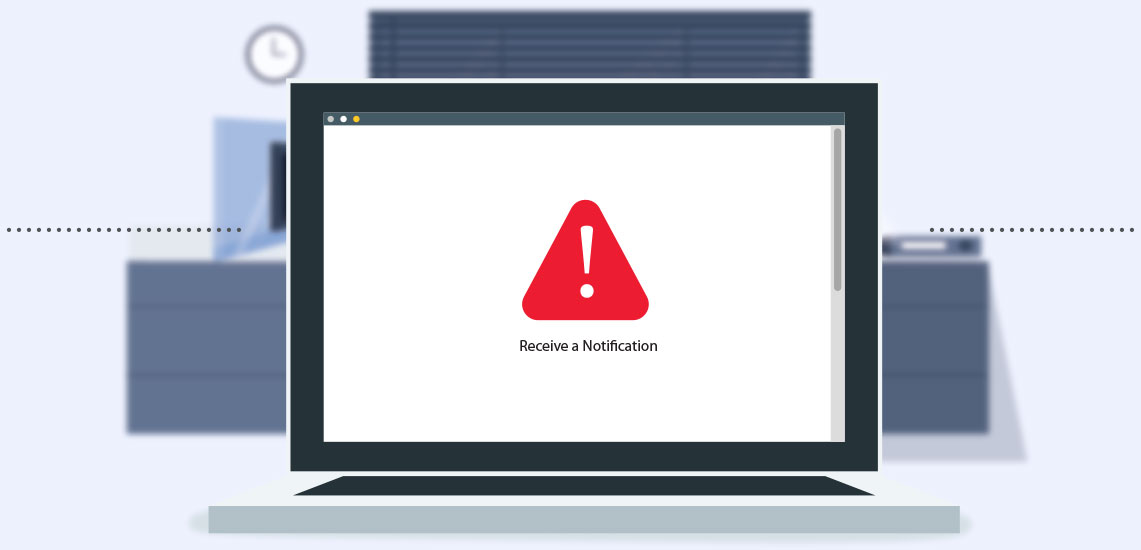
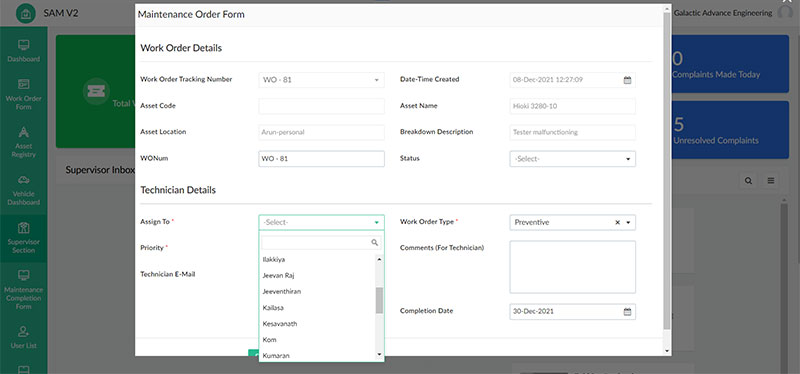
Assign Work Orders to available Technicians. Set severity of Work Orders as well as give special instructions to Technicians based on the nature of the Work Order.
Notify Management & Assign Technician
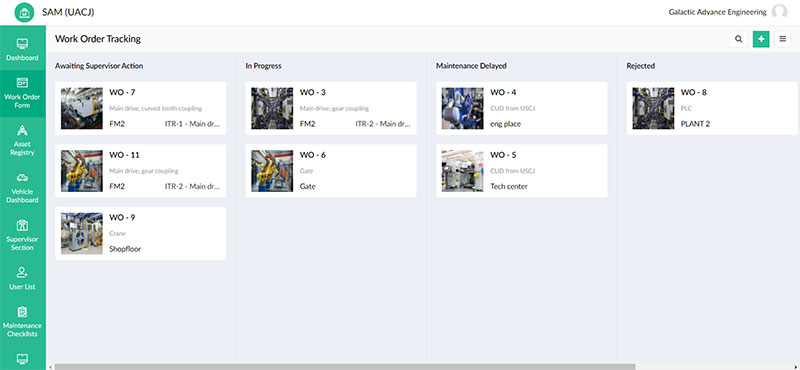
Receive notifications and track your Work Orders through every step of the maintenance process.
Update Status on Maintenance
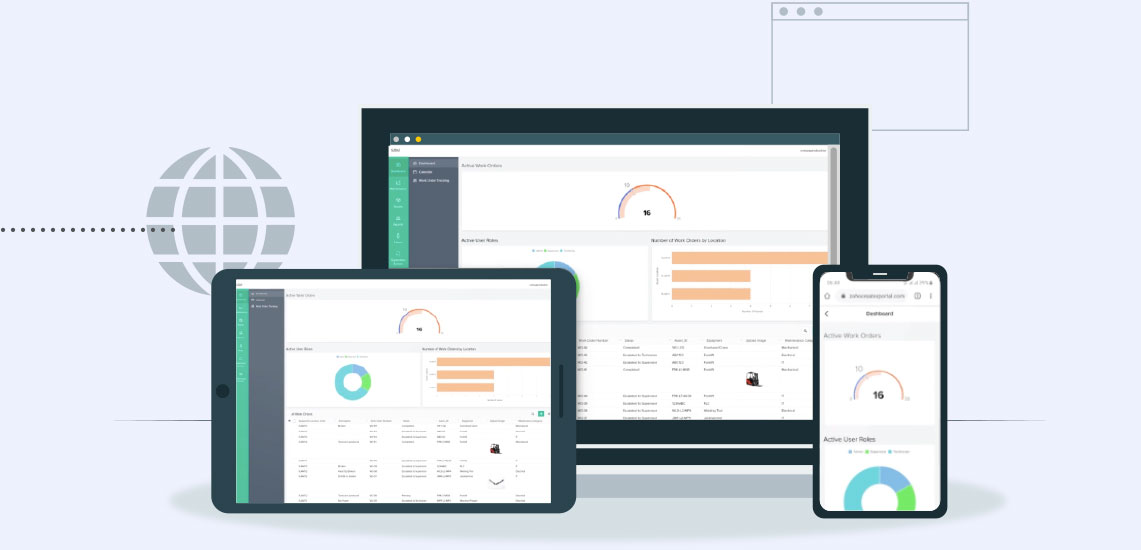
Management Reports
Benefits of Asset Management System
Maximise Return on Assets (ROA)
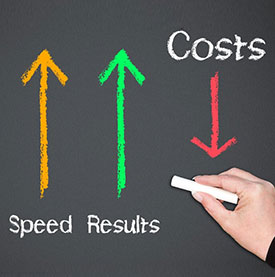
Reduce Maintenance Inventory Costs

Increase Machine Uptime

Reduce Training Costs
Our Clients

What Is the Purpose of an Asset Management System?
An asset management system is designed to help businesses efficiently track, manage, and optimise their physical and digital assets throughout their lifecycle. Without a structured system, many organisations face challenges such as disorganised asset tracking, operational inefficiencies, and rising costs.
Read More
Close
A well-implemented asset management software addresses these issues by improving visibility, ensuring data accuracy, and supporting smarter decision-making.
Here’s how a modern asset management system can transform business operations:
1. Streamlining Asset Tracking
A robust asset management system software centralises all asset data, enabling businesses to monitor asset location, condition, and usage in real time.
By automating the tracking process, companies can eliminate manual errors, improve accountability, and ensure that every asset, from machinery to IT equipment is properly utilised and maintained.
2. Optimising Maintenance and Operations
An integrated asset management system enhances maintenance scheduling through real-time performance monitoring and predictive analytics.
This proactive approach reduces downtime, minimises unexpected failures, and extends the lifespan of critical equipment. As a result, businesses experience smoother operations and improved cost efficiency.
3. Enhancing Decision-Making with Data Insights
The best asset management software goes beyond tracking, it provides actionable insights.
With comprehensive reporting tools and performance analytics, organisations can make informed decisions about asset utilisation, maintenance priorities, and capital investments, ultimately driving better ROI and operational efficiency.
How to Build an Effective Asset Management Solution
A strong asset management implementation strategy helps maximise the value of your assets while aligning with long-term business objectives.
Follow these key steps to create a robust framework:
1. Define Your Business Objectives
Clarify what your organisation aims to achieve, whether it’s reducing operational costs, improving compliance, or increasing asset productivity. Well-defined goals guide your overall asset management approach.
2. Conduct a Comprehensive Asset Audit
Evaluate all existing assets by type, location, and condition. This provides a clear baseline and helps identify areas where an asset system management process can be improved.
3. Choose the Right Asset Management System
Select an asset management system Malaysia businesses trust, one that aligns with your industry requirements. Look for essential features such as:
- Real-time asset tracking
- Predictive maintenance
- Reporting and analytics
- Integration with ERP or other platforms
- Scalability for growth
4. Train and Empower Your Team
A successful asset management implementation depends on user adoption. Provide training and clear guidelines to ensure your team fully understands how to use the system effectively.
5. Monitor and Optimise Continuously
Review your strategy regularly using insights from your digital asset management system software. Continuous improvement ensures your assets remain fully optimised and cost-effective.
Finding the Right Platform for Asset Management
Selecting the right asset management software Malaysia businesses can rely on is essential to achieving long-term success.
When evaluating platforms, consider the following must-have capabilities:
Key Features to Look For
- Real-time and visual-driven fault reporting
- Live WIP of rectification
- Predictive maintenance tools
- Comprehensive reporting and analytics
- Integration with other enterprise systems
- Scalability and customisation options
How to Evaluate Asset Management Software Providers
Before selecting your platform or service provider, assess each vendor carefully:
- Customer Reviews and Case Studies: Check client success stories and satisfaction ratings.
- Technical Support and Responsiveness: Ensure fast and reliable support from implementation to maintenance.
- Scalability and Flexibility: Choose a system that can adapt to your evolving business needs.
- Pricing and Value: Consider digital asset management pricing alongside the long-term return on investment.
Transform Your Operations with the Best Asset Management System in Malaysia
Empower your business with the best digital asset management software from Quantum Compute.
Our platform is built to simplify asset tracking, improve efficiency, and help you achieve measurable ROI, all while offering flexible digital asset management pricing and scalable deployment options.
Contact us today to schedule a free demo and experience how our asset management system can revolutionise the way you manage your resources.
FAQs of Asset Management
How does digital asset management software work?
It organises, stores, and retrieves digital assets, including tools and spare parts, improving efficiency and collaboration.
What is the pricing of digital asset management and which tier is right for my company?
SAM pricing starts from RM 8,100 per year and varies depending on company size, feature requirements, and level of automation. Pricing scales as additional modules, advanced features, AI capabilities, and system integrations (such as ERP or accounting software) are included.
Organisations can start with a basic setup and gradually scale the solution as operational complexity and business needs grow.
What are the benefits of using an asset management system?
Asset management systems improve asset tracking, reduce costs, and enhance operational efficiency. They also help businesses comply with regulations, allow real-time reporting and tracking of rectification.
What are the key features of an integrated asset management system?
Key features include asset tracking, predictive maintenance, reporting, inventory management, and real-time updates for better decision-making.
How do software asset management services help businesses?
These services help businesses optimise hardware usage, reduce costs, ensure compliance, and improve productivity by managing hardware licenses effectively.
What are the challenges of asset management implementation?
Challenges include data migration, employee training, and selecting the right system. Proper planning and expert guidance can ensure a smooth implementation.