What is Smart Manufacturing?
Table of Contents
Key Takeaways
- Smart manufacturing uses real-time data, AI, IoT, and automation to optimize every stage of production.
- Malaysian factories are rapidly adopting smart manufacturing, with 44% already implementing automation or digital initiatives.
- The global smart manufacturing market is expected to grow from USD 233.33 billion in 2024 to USD 263.21 billion in 2025.
- Core benefits include higher productivity, better quality, and lower costs through integrated systems and automated workflows.
- Platforms like GENiE and SMITH help manufacturers move from manual processes to fully connected, data-driven operations.
- Quantum Computing offers smart manufacturing solutions such as SMITH and GENiE to help Malaysian businesses boost efficiency, adapt quickly, and stay competitive.
What is Smart Manufacturing?
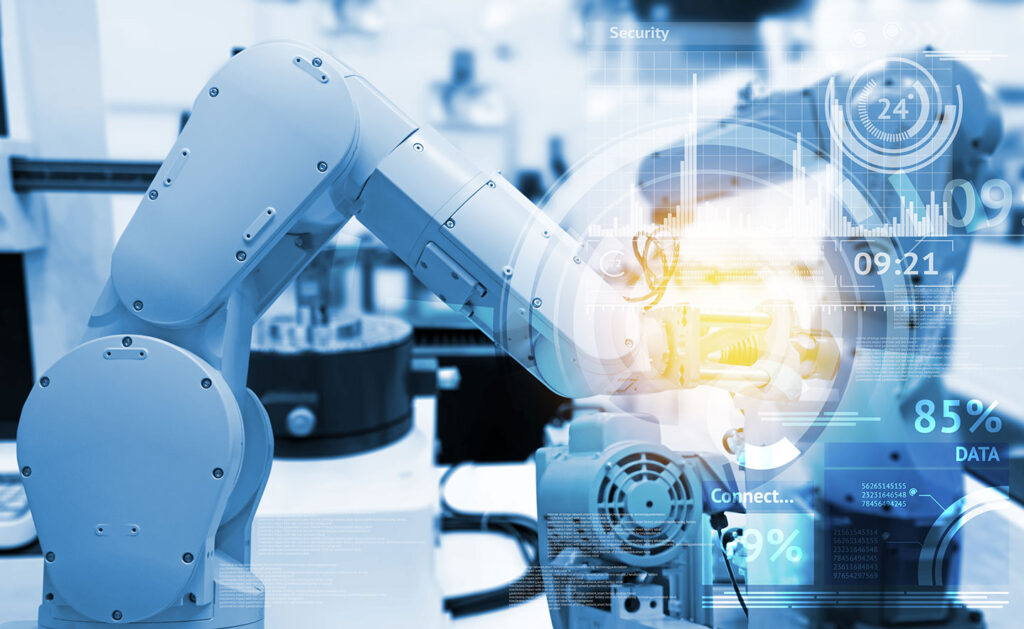
Smart manufacturing is a connected, data-driven approach to production that uses real-time data, intelligent systems, and digital tools to optimize every stage of the process. Unlike traditional manufacturing, which depends on manual oversight and isolated workflows, this digital transformation enables factories to adapt quickly, boost flexibility, and continuously improve.
By integrating systems and automating workflows, companies can reduce downtime, minimise waste, and make more efficient use of resources. The result is higher productivity, more consistent output, improved product quality, and significant cost savings.
How Smart Manufacturing Transforming Industry 4.0 with AI, IoT, and Automation
The rise of Industry 4.0 marks a major shift in how industries approach production. With the adoption of technologies like artificial intelligence, the Internet of Things (IoT), and automation, manufacturers are becoming more agile, data-driven, and efficient.
According to the Federation of Malaysian Manufacturers (FMM) Business Conditions Survey 2H2024, 44% of Malaysian companies have implemented factory automation or smart manufacturing initiatives, with 63% of these leveraging advanced systems for greater efficiency. Globally, a report by MarketsandMarkets indicates that the smart manufacturing market is projected to grow from USD 233.33 billion in 2024 to USD 263.21 billion in 2025, reflecting rapid adoption and investment in digital transformation
Smart manufacturing platforms are at the heart of this transformation. Tools such as GENiE and SMITH’s smart manufacturing system help businesses move away from manual planning and fragmented systems, toward integrated, automated environments that support informed decision-making and real-time responsiveness.
These platforms enable manufacturers to optimise their production processes, reduce errors, and adapt quickly to changes in supply, demand, or operational constraints.
Core Technologies and Software Powering Smart Manufacturing
Artificial Intelligence (AI) in Smart Manufacturing
AI processes vast streams of production data to deliver predictive maintenance, quality control, and process optimization. Solutions like GENiE apply AI-driven analytics to visualise production metrics, identify bottlenecks, and support timely, data-informed decisions. By automating insight generation, AI helps reduce downtime, improve product quality, and enhance overall operational agility.
IoT in Smart Manufacturing
The Internet of Things (IoT) connects machines, devices, and sensors across the factory floor, creating a network of real-time data streams. This connectivity allows manufacturers to monitor performance, detect issues early, and manage operations remotely.
GENiE leverages IoT integration to provide a live view of production status, machine health, and energy usage. By consolidating data from MES, SCADA, and other systems, it empowers manufacturers with the visibility needed to act fast and reduce operational risk.
Automation and Smart Manufacturing Systems
Automation in smart manufacturing goes beyond robotics. It includes the use of intelligent software to manage production flows, assign tasks, and adjust schedules dynamically based on changing priorities.
This is where both GENiE and SMITH play pivotal roles:
- GENiE automates performance monitoring and visualisation through smart dashboards, giving stakeholders the tools to manage productivity, efficiency, and downtime in real time.
- SMITH focuses on advanced production planning and scheduling, enabling planners to simulate scenarios, optimise resource allocation, and adapt quickly to disruptions. With its support for multi-site scheduling and constraint-based modelling, SMITH automates complex planning tasks that would otherwise require significant manual input.
Together, these platforms contribute to a more autonomous and adaptive manufacturing environment, where digital tools drive efficiency, accuracy, and competitiveness.
Introducing SMITH: A Smart Manufacturing Solution by Quantum Computing
SMITH is Quantum Computing’s integrated solution for smart manufacturing. It bridges planning, scheduling, maintenance, and production capacity to optimize shop-floor operations.
- Production planning: Fetches orders directly from ERP and cross-references current inventory to assess delivery feasibility.
- Real-time factory visibility: Monitors progress, WIP, and machine health continually.
- Bottleneck detection & rerouting: Automatically identifies delays and reassigns resources to meet on-time delivery commitments.
These features translate into measurable outcomes like higher Overall Equipment Effectiveness (OEE), improved accountability, reduced waste, and better customer satisfaction.
Partner with Quantum Computing for Smart Manufacturing Consulting
Quantum Computing Sdn Bhd is a Malaysian-based technology partner dedicated to enabling smart manufacturing through consulting, integration, and advanced software solutions. Their ecosystem includes:
- SMITH: Production planning and scheduling
- GENiE: Real-time decision support and data analytics
- SAM & SCOTS: Supporting tools for asset monitoring and cybersecurity
With proven expertise in digital transformation, system integration, AI-powered insights, and cloud-native platforms, Quantum Computing delivers end-to-end solutions tailored to Malaysia’s industrial landscape which are fully aligned with the Industry4WRD vision.
Ready to transform your operations? Contact Quantum Computing today to schedule a demo and explore how SMITH can drive smarter, more efficient manufacturing.
FAQs of Smart Manufacturing
What industries use smart manufacturing?
Smart manufacturing is used in industries such as manufacturing, logistics, healthcare, automotive, and electronics or any sector that needs high asset visibility, agility, and quality control.
How can AI improve manufacturing processes?
Artificial intelligence transforms manufacturing by processing vast amounts of machine and production data to spot patterns and predict potential issues. This allows for predictive maintenance, where equipment is serviced before failures occur, and for advanced quality control that catches defects early. AI-driven analytics also help optimize workflows, allocate resources efficiently, and support continuous improvement, resulting in higher productivity and lower operational costs.
What is Industry 4.0 and how is it different from smart manufacturing?
Industry 4.0 is the broader term for connecting automation, data and digital systems across an entire industrial sector, while smart manufacturing is what that shift looks like inside a single factory. In practice, a smart manufacturing system is one application of Industry 4.0 principles: real-time data, connected machines, and automated decision-making on the shop floor.
How has smart manufacturing changed over the last decade?
Ten years ago, most Malaysian factories ran on manual scheduling boards, paper checklists, and maintenance that happened after something broke rather than before. The shift since then has been driven by cheaper sensors, more affordable cloud computing, and government programmes such as Malaysia's Industry4WRD policy pushing manufacturers toward digital operations. Where a factory once relied on a supervisor walking the floor to spot a problem, machines now report their own status in real time, and scheduling software can reroute a job automatically when a line goes down. According to the Federation of Malaysian Manufacturers' 2H2024 Business Conditions Survey, 44% of Malaysian companies have already implemented factory automation or smart manufacturing initiatives, with 63% of those using more advanced systems rather than basic automation alone.
What does a smart manufacturing system actually look like on a factory floor?
On a factory floor, a smart manufacturing system usually shows up as a dashboard a supervisor checks throughout the shift, rather than a single physical machine. Sensors on production lines and equipment feed data into the system continuously, so a screen might show which orders are running, which machine is close to needing maintenance, and where a bottleneck is starting to form before it causes a delay. When something changes, such as a machine going down or a rush order coming in, the system can suggest or automatically apply a new schedule instead of a planner reworking it by hand. Over time, that same data also feeds reports on output, waste, and equipment performance, which is what most manufacturers use to justify further investment in the system.
Citation and references:
- Malaysian Investment Development Authority (MIDA). Automation: Shifting to Intelligent Manufacturing. 2023. Available at: https://www.mida.gov.my/mida-news/automation-shifting-to-intelligent-manufacturing/
- Federation of Malaysian Manufacturers (FMM). FMM Business Conditions Survey 2H2024. 2024. Available at: https://www.fmm.org.my/files/FMM%20Research/FMM%20Business%20Conditions%20Survey%202H2024%20Report.pdf
- MarketsandMarkets. Smart Manufacturing Market Size, Share & Latest Trends, 2024-2029. 2024. Available at: https://www.marketsandmarkets.com/Market-Reports/smart-manufacturing-market-105448439.html
About the Author
Mr. Sakthi
An industrial tech veteran with 36 years dedicated to industrial automation technology and as the founder of 3 companies, Sakthi is a firm contributor to the improvement of Malaysia’s manufacturing ecosystem. He believes that technology should be affordable and accessible and has worked to develop Malaysian-coded systems that can be customised based on the requirements and complexities of each industry vertical.